本文主要介绍了关于无损检测设备的相关检测方法,检测方法仅供参考,如果您想针对自己的样品定制试验方案,可以咨询我们在线工程师为您服务。
1. Visual Inspection: This method involves visual examination of the object or material to detect any visible defects or anomalies.
2. Ultrasonic Testing: Ultrasonic waves are used to inspect the internal structure of an object by transmitting high-frequency sound waves and analyzing the reflected waves. It can detect defects such as cracks, voids, and delaminations.
3. Magnetic Particle Testing: This method uses magnetic fields and magnetic particles to detect surface and near-surface defects in ferromagnetic materials. It can identify cracks, seams, or other defects on the surface.
4. Penetrant Testing: A liquid dye or fluorescent dye is applied to the surface of an object, and after a certain period of time, excess dye is removed. The dye that enters any surface discontinuities is then made visible through the application of a developer. It is primarily used to detect surface defects such as cracks, porosity, or leaks.
5. Eddy Current Testing: This method uses electromagnetic induction to detect flaws in conductive materials. An alternating current is passed through a coil, creating an oscillating magnetic field, which induces eddy currents in the material. Changes in the eddy currents can indicate the presence of defects.
6. Radiographic Testing (X-ray or Gamma-ray): This technique uses X-rays or gamma rays to create an image of the internal structure of an object. It is primarily used for examining welds, castings, and other solid materials to detect defects such as voids, inclusions, or cracks.
7. Thermographic Testing: Infrared thermal imaging is used to detect variations in temperature and detect defects such as delaminations, voids, or cracks. It can identify heat patterns that indicate areas of discontinuity in the material.
8. Acoustic Emission Testing: This method involves monitoring and analyzing the sounds or emissions generated by a material when subjected to stress or loading. It can detect the development and propagation of cracks or other defects.
9. Leak Testing: Various techniques, such as pressure testing, vacuum testing, or bubble testing, are used to detect leaks or porosity in sealed systems or containers. It can identify leaks in pipes, tanks, or other enclosed structures.
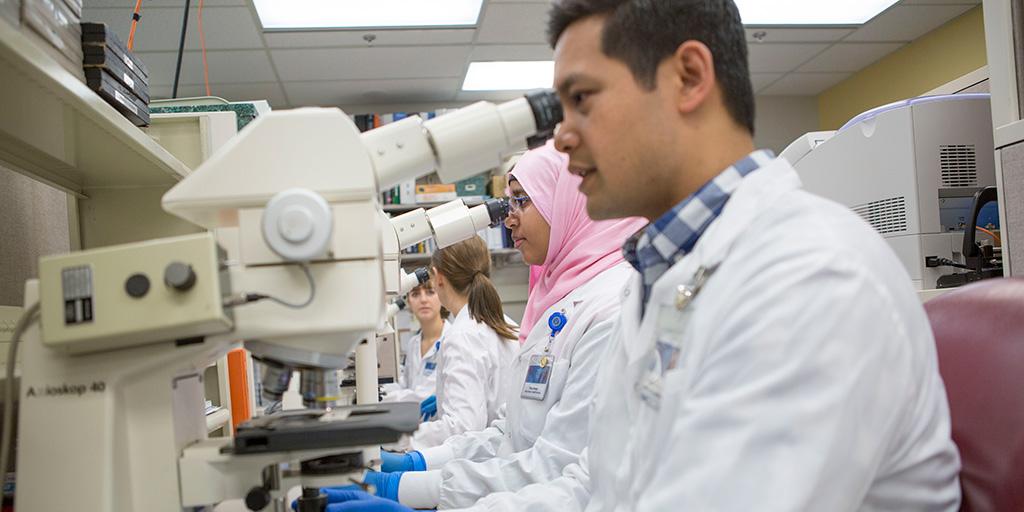
10. Microscopic Examination: This method uses optical or electron microscopes to magnify and analyze the structure and surface of an object. It can reveal details and defects that are not visible to the naked eye.
11. Positive Material Identification (PMI): This technique is used to determine the elemental composition of a material. It can identify the presence of specific elements and determine if a material meets the required specifications.
12. Electromagnetic Testing: This method uses electromagnetic waves, such as radar or microwave, to inspect materials. It can detect defects, measure material thickness, and assess structural integrity.
13. Moisture Content Testing: This method measures the amount of moisture present in a material. It is commonly used in the construction industry to assess the moisture content of wood, concrete, or other building materials.
14. Corrosion Testing: Various techniques, such as salt spray testing, electrochemical testing, or pH testing, are used to assess the corrosion resistance of a material or structure. It helps in identifying potential corrosion problems and determining the need for preventive measures.
15. Hardness Testing: This method measures the hardness or resistance of a material to indentation or deformation. It can be done using different techniques, such as Rockwell, Brinell, or Vickers hardness testing.
16. Fracture Toughness Testing: This technique measures the ability of a material to resist fracture when subjected to stress or loading. It helps in evaluating the safety and durability of materials used in critical applications.
17. Residual Stress Measurement: This method determines the amount and distribution of residual stresses in a material. It is important for assessing the structural integrity and performance of materials.
18. Dimensional Measurement: This technique involves accurate measurement of dimensions, tolerances, and geometrical features of objects. It ensures that the manufactured parts meet the required specifications.
19. Chemical Analysis: This method determines the chemical composition of a material. It can be done using various techniques, such as spectroscopy, chromatography, or mass spectrometry.
20. Surface Roughness Measurement: This technique measures the roughness or irregularities on the surface of an object. It helps in assessing the quality and functionality of surfaces, such as those used in sealing or friction applications.
21. Coating Thickness Measurement: This method determines the thickness of coatings applied to a surface. It ensures that the coatings meet the required specifications for corrosion protection, aesthetics, or other purposes.
22. Welding Inspection: Various techniques, such as visual inspection, ultrasonic testing, radiographic testing, or magnetic particle testing, are used to inspect welds for defects, such as cracks, porosity, or lack of fusion.
23. Pressure Testing: This method checks the integrity and leakage of pressure vessels, pipes, or other sealed systems by subjecting them to a specified pressure. It helps ensure that the equipment can withstand the required operating conditions.
24. Vibration Analysis: This technique measures and analyzes the vibrations produced by a machine or structure. It helps in identifying faults, such as misalignment, imbalance, or bearing failure, that can affect the performance and reliability of equipment.
25. Load Testing: This method applies a known load or stress to a structure or component to assess its strength and stability. It is commonly used in civil engineering or structural testing to evaluate the performance of bridges, buildings, or other structures.
26. Electrical Testing: Various techniques, such as insulation resistance testing, dielectric strength testing, or continuity testing, are used to assess the electrical properties and safety of components or systems.
27. Flammability Testing: This method determines the flammability characteristics of materials by subjecting them to controlled ignition sources. It helps in assessing the fire safety and suitability of materials used in various applications.
28. Chemical Resistance Testing: This technique evaluates the resistance of materials to chemical substances, such as acids, solvents, or corrosive agents. It helps in selecting materials that can withstand exposure to specific chemicals.
29. Accelerated Aging Testing: This method simulates the effects of long-term aging or exposure to environmental conditions, such as temperature, humidity, or UV radiation, in a shorter period of time. It helps in assessing the durability and lifespan of materials or products.
30. Dye Penetrant Testing: This technique involves applying a colored dye to the surface of a material, which penetrates into any surface cracks or defects. Excess dye is then removed, and a developer is applied to make the defects visible.
31. Microstructure Examination: This method involves examining the microscopic structure and morphology of a material using microscopy techniques, such as optical, electron, or scanning probe microscopy. It helps in assessing the quality and integrity of materials, as well as understanding their properties.
32. Particle Size Analysis: This technique measures and analyzes the size distribution of particles in a sample. It is commonly used in industries such as pharmaceuticals, cosmetics, or mining to ensure consistent particle size and quality.
33. Microbiological Testing: This method involves the analysis and identification of microorganisms, such as bacteria, fungi, or viruses, in a sample. It is used in various industries, including food, pharmaceuticals, or healthcare, to ensure product safety and quality.
34. Gas Chromatography: This technique separates and analyzes volatile compounds in a sample by passing it through a chromatographic column. It is widely used in chemical analysis, environmental monitoring, or quality control applications.
35. Mass Spectrometry: This method identifies and measures the mass-to-charge ratio of ions in a sample. It is used in a wide range of applications, such as chemical analysis, proteomics, or forensic science, for qualitative and quantitative analysis of compounds.
36. Inductively Coupled Plasma (ICP) Analysis: This technique uses an ICP mass spectrometer to determine the elemental composition of a sample. It is commonly used in environmental, metallurgical, or chemical analysis to measure trace elements or contaminants.
37. Gas Analysis: Various techniques, such as gas chromatography, infrared spectroscopy, or mass spectrometry, are used to analyze the composition and concentration of gases in a sample. It is important for environmental monitoring, industrial hygiene, or process control.
38. Quality Control Testing: This method involves performing various tests and inspections to ensure that products or materials meet the required quality standards. It includes dimensional checks, material testing, functional testing, or performance testing.
39. Non-Destructive Testing (NDT): This collective term refers to all the techniques and methods used to inspect and evaluate materials or components without causing damage. It includes visual inspection, ultrasonic testing, radiographic testing, or magnetic particle testing.
40. Fatigue Testing: This method involves subjecting a material or component to repeated cycles of loading to assess its resistance to fatigue failure. It helps in determining the fatigue life and durability of materials used in dynamic applications.
41. Creep Testing: This technique involves subjecting a material to a constant load or stress over an extended period of time to assess its creep behavior or tendency to deform under constant loading. It helps in evaluating the long-term stability and performance of materials.
42. Tensile Testing: This method measures the tensile strength and behavior of a material when subjected to a stretching or pulling force. It is used to determine material properties, such as yield strength, ultimate strength, or elasticity.
43. Compression Testing: This technique measures the compressive strength, stiffness, and behavior of a material when subjected to a squeezing or pressing force. It is used to evaluate the structural integrity and load-bearing capacity of materials.
44. Bend Testing: This method tests the ductility and deformation behavior of a material by subjecting it to bending forces. It is commonly used to assess the quality and integrity of welds or the suitability of materials for bending or forming applications.
45. Impact Testing: This technique evaluates the behavior and resistance of a material to sudden impact or shock loading. It involves striking a test specimen with a pendulum or hammer and measuring the amount of energy absorbed or transferred during the impact.
46. Scratch Testing: This method assesses the hardness and scratch resistance of a material by subjecting its surface to a controlled scratching or indenting force. It helps in determining the durability and resistance of materials to wear or abrasion.
47. Thermal Conductivity Testing: This technique measures the ability of a material to conduct heat. It helps in selecting materials for applications where efficient heat transfer is required, such as in thermal management or insulation.
48. Electrical Conductivity Testing: This method measures the ability of a material to conduct electricity. It is used to assess the electrical properties and suitability of materials for applications such as electrical wiring or electronic components.
49. Fluorescence Testing: This technique measures the fluorescence emission of a material when exposed to specific wavelengths or radiation. It is used in various applications, such as bioanalysis, forensics, or quality control, for identification or quantification of substances.
50. Photoluminescence Testing: This method measures the emission of light from a material when excited by photons or specific wavelengths of light. It is used to study the optical properties and characteristics of materials, such as semiconductors or phosphors.