本文主要介绍了关于水的相关检测方法,检测方法仅供参考,如果您想针对自己的样品定制试验方案,可以咨询我们在线工程师为您服务。
1. Visual Inspection: This method involves visually examining the water sample for any signs of impurities or contaminants.
2. Taste Test: This method involves tasting the water sample to determine its quality and detect any strange or unpleasant flavors.
3. Odor Test: This method involves smelling the water sample to detect any abnormal or foul odors.
4. pH Testing: This method measures the acidity or alkalinity of the water sample using pH testing strips or a pH meter.
5. Conductivity Test: This method measures the ability of water to conduct an electrical charge, which can indicate the presence of dissolved minerals or contaminants.
6. Turbidity Test: This method measures the cloudiness or clarity of water caused by suspended particles using a turbidity meter or turbidity tube.
7. Temperature Monitoring: This method involves measuring the temperature of the water sample with a thermometer to ensure it falls within acceptable ranges.
8. Dissolved Oxygen Test: This method measures the level of dissolved oxygen in the water sample, which is important for aquatic life.
9. Chlorine Residual Test: This method determines the amount of chlorine remaining in the water after disinfection, which should be within acceptable limits.
10. Biological Oxygen Demand (BOD) Test: This method measures the amount of oxygen consumed by microorganisms in a water sample over a specified period of time, indicating organic pollution.
11. Chemical Oxygen Demand (COD) Test: This method measures the amount of oxygen required to chemically oxidize organic and inorganic compounds in a water sample, indicating overall pollution levels.
12. Hardness Testing: This method measures the concentration of calcium and magnesium ions in the water sample, which can cause scaling and affect water quality.
13. Heavy Metal Testing: This method detects the presence and concentration of heavy metals such as lead, mercury, arsenic, and cadmium in the water sample.
14. Microbiological Testing: This method involves analyzing the water sample for the presence of harmful bacteria, viruses, and other microorganisms.
15. Ammonia Testing: This method measures the concentration of ammonia in the water sample, which can indicate pollution from agricultural or industrial sources.
16. Nitrate Testing: This method measures the concentration of nitrates in the water sample, which can indicate pollution from agricultural runoff or wastewater.
17. Phosphate Testing: This method measures the concentration of phosphates in the water sample, which can indicate pollution from agricultural runoff or sewage discharges.
18. Pesticide Testing: This method detects the presence and concentration of common pesticides in the water sample.
19. Herbicide Testing: This method detects the presence and concentration of common herbicides in the water sample.
20. Fecal Coliform Testing: This method tests for the presence of fecal coliform bacteria in the water sample, which can indicate contamination from human or animal waste.
21. E. coli Testing: This method specifically tests for the presence of E. coli bacteria in the water sample, which is an indicator of fecal contamination.
22. Coliform Testing: This method tests for the presence of total coliform bacteria in the water sample, which can indicate general water quality and sanitation issues.
23. Algae Testing: This method identifies and quantifies the types and concentrations of algae present in the water sample.
24. Iron Testing: This method measures the concentration of iron in the water sample, which can cause discoloration and affect taste and odor.
25. Manganese Testing: This method measures the concentration of manganese in the water sample, which can cause discoloration and affect taste and odor.
26. pH Adjustment: This method involves adjusting the pH of the water sample using neutralizing agents or chemicals to achieve a desired range.
27. Filtration: This method involves passing the water sample through a filter to remove suspended solids, sediment, and larger particles.
28. Reverse Osmosis: This method uses a semipermeable membrane to remove dissolved solids, ions, and other contaminants from the water sample.
29. Distillation: This method involves boiling the water sample and collecting the condensed vapor to remove impurities and contaminants.
30. UV Disinfection: This method uses ultraviolet light to inactivate or destroy microorganisms in the water sample.
31. Chlorination: This method involves adding chlorine or chlorine-based compounds to the water sample to disinfect and kill harmful microorganisms.
32. Ozonation: This method uses ozone gas to disinfect the water sample and remove bacteria, viruses, and other contaminants.
33. Coagulation and Flocculation: This method involves adding coagulants and flocculants to the water sample to bind together and remove suspended particles.
34. Sedimentation: This method allows suspended particles to settle to the bottom of the water sample through gravity, making it easier to remove them.
35. Activated Carbon Adsorption: This method involves passing the water sample through activated carbon to remove organic compounds, tastes, and odors.
36. Ion Exchange: This method uses a resin material to exchange unwanted ions in the water sample for more desirable ones, such as removing hardness ions.
37. Electrolysis: This method uses an electrical current to break down and remove contaminants in the water sample.
38. Electrocoagulation: This method involves applying an electrical charge to certain metals or electrodes in the water sample to form coagulants and remove suspended particles.
39. Membrane Filtration: This method uses thin membranes with microscopic pores to physically filter out impurities, including bacteria and viruses.
40. Electrodialysis: This method uses an electric field to selectively remove ions from the water sample through a semipermeable membrane.
41. Adsorption: This method involves using adsorbent materials, such as activated carbon or zeolite, to remove impurities by their attraction to the surface.
42. Sludge Testing: This method analyzes the sludge or sediment from the water treatment process to ensure it meets disposal or reuse requirements.
43. Residual Chlorine Testing: This method measures the amount of residual chlorine in the treated water to ensure disinfection levels are within the recommended range.
44. Amperometric Titration: This method uses an amperometric titrator to measure the concentration of a specific substance in the water sample, such as dissolved oxygen or chlorine.
45. Chemical Analysis: This method involves using various chemicals and reagents to analyze the water sample for specific compounds or contaminants.
46. Spectroscopy: This method uses instruments such as UV-Vis spectrophotometers or atomic absorption spectrometers to analyze the chemical composition of the water sample.
47. Gas Chromatography: This method separates and analyzes the volatile organic compounds (VOCs) present in the water sample.
48. Mass Spectrometry: This method identifies and quantifies the different chemical compounds present in the water sample based on their mass-to-charge ratio.
49. Liquid Chromatography: This method separates and analyzes the different components of the water sample using a liquid mobile phase and a stationary phase.
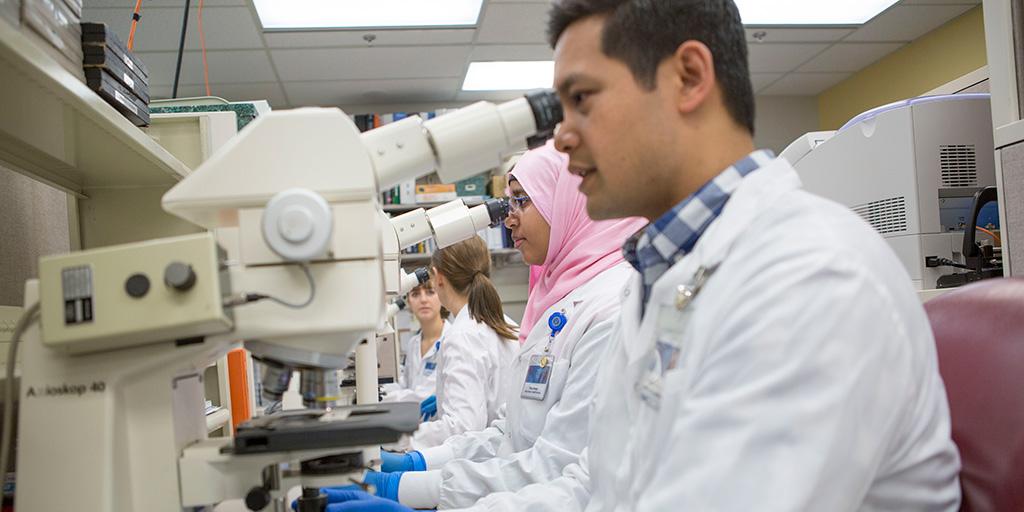
50. Microscopy: This method involves using a microscope to examine the water sample for the presence of microorganisms, algae, or other microscopic elements.