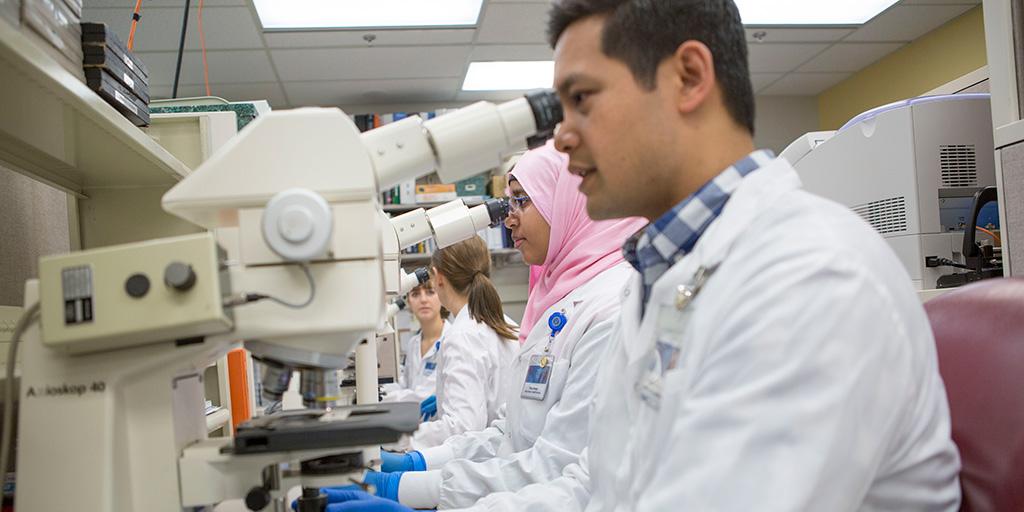
本文主要介绍了关于生活饮用水的相关检测方法,检测方法仅供参考,如果您想针对自己的样品定制试验方案,可以咨询我们在线工程师为您服务。
1. Chlorination: Chlorination is a common method used to disinfect drinking water. It involves adding chlorine to the water to kill bacteria, viruses, and other pathogens. Chlorine can be added in the form of chlorine gas, sodium hypochlorite, or calcium hypochlorite. 2. Boiling: Boiling water is an effective method to kill most types of pathogens. It involves bringing the water to a rolling boil for at least one minute. Boiling water kills bacteria, viruses, and parasites. 3. Ultrafiltration: Ultrafiltration is a water filtration method that uses membranes to remove particles, bacteria, and some viruses from water. It works by forcing water through a fine membrane with small pores that can block contaminants. 4. Reverse Osmosis: Reverse osmosis is a water purification method that uses a semi-permeable membrane to remove ions, molecules, and larger particles from drinking water. It is commonly used to remove contaminants such as arsenic, fluoride, lead, and other chemical pollutants. 5. Ultraviolet (UV) Disinfection: UV disinfection is a water treatment method that uses ultraviolet light to kill microorganisms, including bacteria, viruses, and protozoa. The UV light damages their DNA, rendering them unable to replicate and cause infections. 6. Activated Carbon Filtration: Activated carbon filtration is a method that uses activated carbon to remove impurities and contaminants from water. The carbon has a large surface area that can adsorb organic compounds, chlorine, and some heavy metals. 7. Ion Exchange: Ion exchange is a water treatment method that removes undesirable ions from water using exchange resin. This process can remove hardness-causing ions, such as calcium and magnesium, as well as certain heavy metals. 8. Membrane Filtration: Membrane filtration is a technique that uses a membrane to separate particles and impurities from water. It can remove bacteria, viruses, and some larger particles, providing a barrier to contaminants. 9. Distillation: Distillation is a water purification method that involves heating water to create steam, which is then condensed to form purified water. This process removes contaminants such as minerals, bacteria, and some chemicals. 10. Electrocoagulation: Electrocoagulation is a water treatment process that uses an electric current to destabilize and aggregate suspended particles and contaminants, making them easier to remove from water. 11. Desalination: Desalination is a process that removes salt and other minerals from seawater or brackish water, making it suitable for drinking. This can be achieved through methods such as reverse osmosis or distillation. 12. Chemical Oxidation: Chemical oxidation is a water treatment method that uses chemicals such as ozone, hydrogen peroxide, or chlorine dioxide to destroy contaminants in the water. These chemicals react with organic compounds, pathogens, and pollutants, breaking them down into harmless substances. 13. Microfiltration: Microfiltration is a water filtration technique that uses a porous membrane to remove particles, bacteria, and suspended solids from water. It is commonly used for pre-treatment in water purification processes. 14. Chloramination: Chloramination is a water disinfection method that involves adding a combination of chlorine and ammonia to the water. This creates chloramines, which are effective at killing bacteria, viruses, and other pathogens. 15. Coagulation and Flocculation: Coagulation and flocculation are processes used to remove suspended particles and impurities from water. Coagulation involves adding chemicals that neutralize the charge on particles, allowing them to clump together. Flocculation then helps to form larger particles (flocs) that can be easily separated from the water. 16. Biological Filtration: Biological filtration is a water treatment method that uses bacteria or other microorganisms to break down organic matter and remove contaminants from the water. This can be done in filters containing activated carbon or specially designed biofilter media. 17. Adsorption: Adsorption is a water treatment process that involves using a material with a large surface area, such as activated carbon, to attract and bind impurities and contaminants. This process can remove organic compounds, chlorine, and certain metals from water. 18. Electrodialysis: Electrodialysis is a water purification method that uses an electric field to remove ions from water. It involves passing the water through a series of ion-selective membranes, separating the ions and producing purified water. 19. Chemical Precipitation: Chemical precipitation is a water treatment process that involves adding chemicals to the water to convert dissolved contaminants into insoluble forms. These precipitates can then be removed through sedimentation or filtration. 20. Ozonation: Ozonation is a water disinfection method that uses ozone gas to kill bacteria, viruses, and other microorganisms in water. Ozone is a powerful oxidizing agent that can break down organic compounds and destroy pathogens. 21. Physical Filtration: Physical filtration is a water treatment method that involves passing water through a filter medium to remove suspended particles, sediment, and debris. This can be done using sand, gravel, or other porous materials. 22. Activated Alumina Filtration: Activated alumina filtration is a method that uses activated alumina to remove fluoride, arsenic, and some other contaminants from water. The activated alumina adsorbs these substances through a chemical reaction. 23. Water Softening: Water softening is a process that removes hardness-causing minerals, such as calcium and magnesium, from water. It typically involves ion exchange or precipitation methods to replace the hard ions with sodium or potassium ions. 24. Carbon Dioxide Stripping: Carbon dioxide stripping is a method used to remove carbon dioxide gas from water, which can affect its taste and pH. This process involves bubbling air or another gas through the water to release the dissolved CO2. 25. Photoactivated Carbon Filtration: Photoactivated carbon filtration is a water treatment method that combines activated carbon filtration with exposure to ultraviolet light. This enhances the removal of organic compounds and disinfection of the water. 26. Graphene Oxide Membranes: Graphene oxide membranes are a new type of water filtration technology that uses a single layer of graphene oxide to selectively allow water molecules to pass through while blocking other contaminants. This can remove salts, organic compounds, and impurities from water. 27. Electrochemical Oxidation: Electrochemical oxidation is a water treatment method that involves passing an electric current through the water to generate reactive oxidants, such as hydroxyl radicals. These oxidants can effectively destroy organic pollutants and microorganisms. 28. Acid/Base Neutralization: Acid/base neutralization is a process used to adjust the pH of water by adding acidic or basic substances. This can be done to neutralize acidic or alkaline water, making it suitable for drinking. 29. Microorganism Detection Kits: Microorganism detection kits are portable testing kits that allow for the quick detection of bacteria, viruses, and other microorganisms in water. These kits provide a rapid and convenient method for on-site water testing. 30. Inductively Coupled Plasma Mass Spectrometry (ICP-MS): ICP-MS is an analytical technique used to detect and quantify trace elements and metals in water. It provides highly sensitive and accurate results, making it suitable for testing water quality. 31. Electrochemical Sensors: Electrochemical sensors are devices that use the electrochemical reaction between the sensor and target analyte to detect and measure specific chemicals or pollutants in water. They can be used for real-time monitoring of water quality. 32. Microscopic Examination: Microscopic examination involves visually inspecting water samples under a microscope to identify and quantify microorganisms, algae, and other contaminants. This method allows for the direct observation and characterization of waterborne pathogens. 33. Gas Chromatography (GC): Gas chromatography is an analytical technique used to separate and analyze volatile organic compounds in water. It can detect and quantify a wide range of contaminants, including pesticides, solvents, and petroleum products. 34. High-Performance Liquid Chromatography (HPLC): HPLC is a chromatographic technique used to separate, identify, and quantify various compounds in water samples. It is commonly used for the analysis of organic pollutants, such as pharmaceuticals, pesticides, and industrial chemicals. 35. Flame Atomic Absorption Spectroscopy (FAAS): FAAS is an analytical technique used to measure the concentration of metal ions in water. It relies on the absorption of light by the metal ions, allowing for their quantification. 36. Colorimetric Analysis: Colorimetric analysis involves using a color reaction to determine the concentration of a particular substance in water. This method relies on the measurement of color intensity using a spectrophotometer or colorimeter. 37. Conductivity Measurement: Conductivity measurement is a simple and rapid method to assess the ionic content of water. It measures the ability of water to conduct electric current, which is directly related to the concentration of dissolved salts and ions. 38. pH Measurement: pH measurement determines the acidity or alkalinity of water. It uses a pH meter or indicator paper to measure the concentration of hydrogen ions, which indicate the water's pH value. 39. Residual Chlorine Analysis: Residual chlorine analysis is a method used to measure the concentration of free and total chlorine in water. It is commonly used to ensure that water disinfection has been properly achieved and maintained. 40. Turbidity Measurement: Turbidity measurement determines the level of suspended particles in water. It is measured using a turbidimeter or nephelometer, which measures the scattering of light by the particles in the water. 41. Nitrate/Nitrite Analysis: Nitrate/nitrite analysis is used to measure the concentration of nitrate and nitrite ions in water. High levels of these ions can indicate the presence of contamination from fertilizers or septic systems. 42. Phosphate Analysis: Phosphate analysis is a method used to measure the concentration of phosphate ions in water. High levels of phosphates can indicate pollution from agricultural runoff or wastewater discharges. 43. Chemiluminescence: Chemiluminescence is an analytical technique that uses the emission of light from a chemical reaction to detect and measure specific compounds or contaminants in water. It can be used to quantify pollutants such as heavy metals or organic compounds. 44. Amperometric Measurements: Amperometric measurements involve measuring the electric current produced by an electrochemical reaction between a substance in the water and an electrode. This method is used to detect and quantify specific analytes, such as dissolved gases or chemicals. 45. Potentiometric Measurements: Potentiometric measurements involve measuring the potential difference or voltage generated by a chemical reaction between the sample and an electrode. This method is used to determine the concentration of certain ions or gases in water. 46. Atomic Fluorescence Spectroscopy (AFS): AFS is an analytical technique used to detect and quantify trace elements and metals in water. It relies on the measurement of fluorescence emitted by the analyte atoms when excited by a specific wavelength. 47. Gas Sensors: Gas sensors are devices that detect and measure the concentration of specific gases or vapors in the air or water. They can be used to monitor the presence of pollutants or harmful gases in water. 48. Capillary Electrophoresis (CE): CE is a separation technique that uses an electric field to separate and analyze ions or molecules in water samples. It is particularly useful for the analysis of small organic molecules and inorganic ions. 49. Molecular Biological Techniques: Molecular biological techniques, such as polymerase chain reaction (PCR) or next-generation sequencing (NGS), can be used to detect and identify specific microorganisms or pathogens in water. These techniques provide highly sensitive and specific results. 50. Immunoassays: Immunoassays are analytical methods that use antibodies or antigens to detect and quantify specific substances or analytes in water. They can be used for the rapid detection of pathogens, toxins, or chemical contaminants in water.