本文主要介绍了关于生咖啡的相关检测方法,检测方法仅供参考,如果您想针对自己的样品定制试验方案,可以咨询我们在线工程师为您服务。
1. Chemical Analysis: This method involves analyzing the chemical composition of the coffee beans or extract to determine its quality and purity. It can identify the presence of any contaminants or additives.
2. Sensory Evaluation: A sensory evaluation involves trained professionals or sensory panels to assess the flavor, aroma, and overall quality of the coffee. They use their senses to detect any defects or off-notes in the coffee.
3. Microbiological Testing: This method checks for the presence of microorganisms, such as bacteria, yeast, and molds, in the coffee. It helps ensure that the coffee is not contaminated with harmful pathogens or spoilage organisms.
4. Physical Examination: A physical examination involves visually inspecting the coffee beans or grounds for any physical defects, such as broken beans, insect infestation, or foreign matter contamination.
5. Gas Chromatography: Gas chromatography is a technique used to identify and quantify the volatile compounds present in coffee. It can help determine the aroma and flavor profile of the coffee.
6. Mass Spectrometry: Mass spectrometry is used to identify and quantify the specific compounds present in the coffee. It can detect trace levels of contaminants or adulterants.
7. High-Performance Liquid Chromatography (HPLC): HPLC is a method that separates and quantifies the different compounds present in coffee, including caffeine, chlorogenic acids, and antioxidants.
8. Ultraviolet-Visible Spectroscopy (UV-Vis): UV-Vis spectroscopy measures the absorbance or transmission of light by the coffee sample at different wavelengths. It can be used to determine the concentration of specific compounds.
9. Differential Scanning Calorimetry (DSC): DSC measures the heat flow associated with phase transitions or chemical reactions in the coffee sample. It can provide information about its thermal stability and roast degree.
10. Thermogravimetric Analysis (TGA): TGA measures the weight loss of the coffee sample as it is heated. It can help determine the moisture content and organic matter decomposition of the coffee.
11. High-Pressure Liquid Chromatography (HPLC): HPLC under high pressure is used to separate, identify, and quantify the various organic compounds in the coffee, including sugars, amino acids, and organic acids.
12. Nuclear Magnetic Resonance (NMR): NMR spectroscopy provides detailed structural and molecular information about the various compounds present in coffee. It can help identify and quantify specific components.
13. Inductively Coupled Plasma-Optical Emission Spectroscopy (ICP-OES): ICP-OES measures the elemental composition of the coffee sample. It can detect and quantify trace elements or heavy metals that may be present.
14. Headspace Analysis: Headspace analysis involves analyzing the volatile compounds released from the coffee when it is heated. It can provide information about the aroma and flavor profile of the coffee.
15. High-Performance Thin-Layer Chromatography (HPTLC): HPTLC is a technique used to separate and identify the different components of the coffee extract. It can help determine the authenticity or purity of the coffee.
16. Viscosity Measurement: Viscosity measurement assesses the flow behavior or thickness of the coffee. It can help determine the quality or concentration of certain compounds, such as oils or sugars.
17. Enzyme-Linked Immunosorbent Assay (ELISA): ELISA is a method that uses specific antibodies to detect and quantify target compounds in the coffee, such as allergens or residues from pesticides.
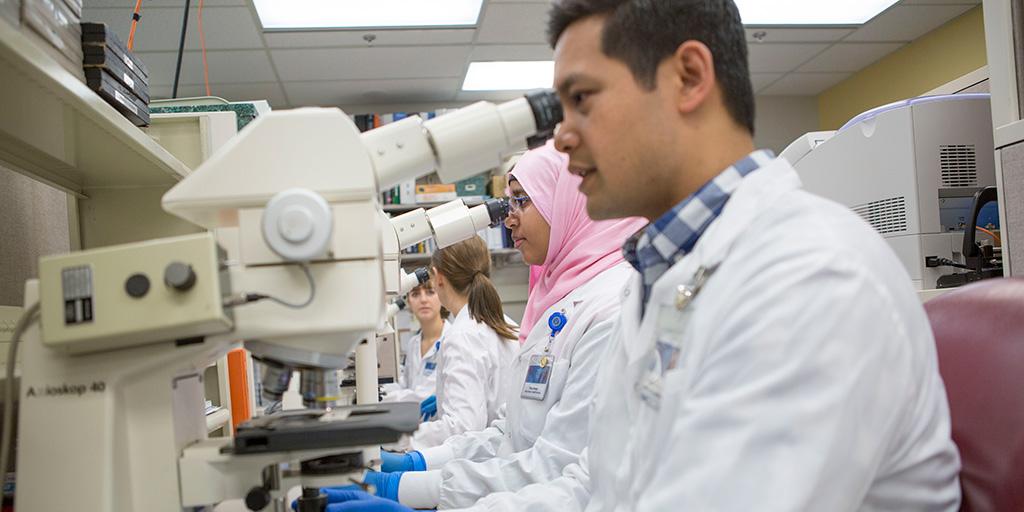
18. Microscopy: Microscopy involves examining the coffee beans or grounds under a microscope to assess their physical characteristics, such as size, shape, color, or the presence of defects.
19. Refractometry: Refractometry measures the refractive index of the coffee extract, which is related to the concentration of dissolved solids, such as sugars or dissolved coffee solids.
20. Density Measurement: Density measurement provides information about the density or compactness of the coffee beans or grounds. It can help assess their quality and roast level.
21. Atomic Absorption Spectroscopy (AAS): AAS is a technique used to measure the concentration of metallic elements in the coffee. It can detect and quantify trace levels of heavy metals.
22. Organoleptic Testing: Organoleptic testing involves sensory evaluation by a trained panel or consumers to assess the taste, aroma, texture, and overall quality of the coffee.
23. Rheology Analysis: Rheology analysis measures the flow behavior and viscosity of the coffee under different conditions. It can help determine the consistency or texture of the coffee.
24. Accelerated Shelf Life Testing (ASLT): ASLT evaluates how the quality of the coffee changes over time under accelerated conditions, such as increased temperature and humidity.
25. Electrochemical Analysis: Electrochemical analysis involves measuring the electrical properties of the coffee, such as conductivity or pH. It can provide information about its acidity or freshness.
26. FTIR Spectroscopy: FTIR spectroscopy analyzes the infrared absorption or transmission of the coffee sample. It can help identify and quantify specific functional groups or compounds.
27. Gas-liquid Chromatography (GLC): GLC is a technique used to separate and analyze the volatile compounds in the coffee. It can help identify and quantify different flavors or aromas.
28. Colorimetry: Colorimetry measures the color properties of the coffee using colorimeters or spectrophotometers. It can provide information about its roast degree or color intensity.
29. Flow Injection Analysis (FIA): FIA is an automated method used to analyze the coffee sample for specific compounds or parameters, such as caffeine, acidity, or antioxidant activity.
30. Texture Analysis: Texture analysis assesses the physical characteristics of the coffee, such as hardness, chewiness, or friability. It can help determine its mouthfeel or texture.
31. PCR-Based Methods: PCR-based methods use specific DNA markers to identify and differentiate coffee species or detect the presence of genetically modified organisms (GMOs).
32. Statistical Analysis: Statistical analysis involves analyzing and interpreting the data collected from various tests to identify patterns, trends, or significant differences in the coffee samples.
33. Electron Paramagnetic Resonance (EPR): EPR spectroscopy measures the electron spin resonance of unpaired electrons in the coffee sample. It can help identify and quantify specific paramagnetic compounds.
34. Spectrophotometry: Spectrophotometry measures the absorption or transmission of light by the coffee sample at specific wavelengths. It can help determine the concentration of specific compounds.
35. Titration: Titration is a method used to determine the concentration of specific compounds in the coffee, such as acidity, total dissolved solids, or antioxidants.
36. Accelerated Aging Test: An accelerated aging test simulates the aging process of the coffee under accelerated conditions. It can help determine its shelf life and quality degradation.
37. Dynamic Light Scattering (DLS): DLS measures the size and distribution of particles or aggregates in the coffee sample. It can help assess the stability or homogeneity of the coffee.
38. Immunoassays: Immunoassays use specific antibodies to detect and quantify target compounds, such as mycotoxins or pesticide residues, in the coffee.
39. Metal Detection: Metal detection involves using specialized equipment to detect and remove any metal contaminants, such as metal fragments or foreign objects, from the coffee.
40. Moisture Content Determination: Moisture content determination measures the amount of water present in the coffee. It can help assess its freshness, stability, and susceptibility to microbial growth.
41. Hydrometer Test: A hydrometer test measures the specific gravity or density of the coffee sample. It can help determine its concentration or extraction level.
42. Polarimetry: Polarimetry measures the rotation of polarized light by the coffee sample. It can help determine the concentration or purity of specific compounds, such as sugars or chiral molecules.
43. Accelerated Oxidation Test: An accelerated oxidation test simulates the oxidation process that occurs in the coffee over time. It can help determine its shelf life and oxidative stability.
44. Surface Tension Measurement: Surface tension measurement assesses the surface tension or interfacial properties of the coffee. It can provide information about its quality or consistency.
45. Electrophoresis: Electrophoresis separates and analyzes the different molecules present in the coffee, such as proteins or nucleic acids. It can help identify and quantify specific components.
46. Enthalpy Measurement: Enthalpy measurement quantifies the heat flow or energy changes associated with chemical reactions or phase transitions in the coffee. It can provide information about its roasting or brewing process.
47. Dissolution Testing: Dissolution testing evaluates the solubility or dissolution rate of the coffee in water or other solvents. It can help assess its extraction efficiency or brewing performance.
48. Flow Cytometry: Flow cytometry analyzes and sorts individual coffee particles based on their physical and chemical properties. It can provide detailed information about the particle size distribution or morphology.
49. Chemiluminescence Analysis: Chemiluminescence analysis measures the emission of light during chemical reactions in the coffee. It can help detect and quantify specific compounds or antioxidants.
50. Scanning Electron Microscopy (SEM): SEM provides high-resolution images of the coffee sample's surface morphology and microstructure. It can help identify defects or characterize the physical properties of the coffee.