本文主要介绍了关于外壳的相关检测方法,检测方法仅供参考,如果您想针对自己的样品定制试验方案,可以咨询我们在线工程师为您服务。
1. Visual Inspection: Visual inspection is a common method used to detect cracks, deformations, or other physical damages on the surface of a shell. It involves careful visual examination of the shell using appropriate lighting and magnification if necessary.
2. Vibration Analysis: Vibration analysis is used to assess the integrity of a shell by measuring its vibration characteristics. This method helps identify any abnormal vibration patterns that may indicate structural issues or failures.
3. Ultrasonic Testing: Ultrasonic testing uses high-frequency sound waves to detect defects or anomalies within the shell. This non-destructive method can identify cracks, corrosion, and thickness variations.
4. Dye Penetrant Testing: Dye penetrant testing is a widely used method for detecting surface cracks or defects in shells. A colored dye is applied to the surface, and after a certain period, excess dye is removed. A developer is then applied, which helps draw out any penetrant that has seeped into defects.
5. Magnetic Particle Testing: Magnetic particle testing is a non-destructive testing method that uses magnetic fields and iron particles to locate defects or cracks in magnetic materials. This technique is effective for inspecting steel or iron shells.
6. X-ray Inspection: X-ray inspection involves passing X-ray radiation through the shell to create an image that can reveal internal defects, such as cracks, voids, or inclusions. It is particularly useful for inspecting thick-walled shells.
7. Thermal Imaging: Thermal imaging uses infrared radiation to detect variations in temperature and identify potential defects or anomalies in the shell. This method can help identify areas of heat loss or structural weaknesses.
8. Eddy Current Testing: Eddy current testing involves using electromagnetic induction to detect defects or changes in conductive materials. It is commonly used for detecting surface cracks or thinning in materials such as aluminum or copper shells.
9. Acoustic Emission Testing: Acoustic emission testing is a method that monitors and analyzes the ultrasonic waves emitted by a shell under stress. This technique can detect indications of cracking or structural instabilities
10. Pressure Testing: Pressure testing involves subjecting the shell to higher-than-normal operating pressures to check for leaks, deformations, or other failures. This method can be performed with liquid or gas, depending on the specific requirements of the shell.
11. Resonance Testing: Resonance testing is a technique that involves exciting the shell with vibrations at its natural frequencies and analyzing the response. Any irregularities or abnormalities in the vibration pattern can indicate structural issues.
12. Leak Testing: Leak testing is used to identify any leakage points in the shell. It can be done using various methods such as bubble testing, pressure decay testing, or helium leak testing.
13. Visual Acuity Test: Visual acuity testing assesses an individual's ability to detect and recognize visual details. It can be used to evaluate anomalies or irregularities in the visual perception of the shell's surface.
14. Weight Measurement: Weight measurement is a simple method to detect changes in the weight of a shell. Any significant deviation from the expected weight may indicate material loss due to corrosion or other factors.
15. Caliper Measurement: Caliper measurement involves using precision calipers to measure the dimensions of the shell. This method helps identify variations in thickness or dimensions that may indicate structural issues.
16. Tensile Testing: Tensile testing involves subjecting a small sample of the shell material to a controlled pulling force until it breaks. This method helps determine the material's mechanical properties, such as strength, elasticity, and ductility.
17. Shear Testing: Shear testing measures the resistance of the shell material to forces applied parallel to its surface. It helps evaluate the shell's ability to withstand shear loads and identifies any weaknesses or defects in the material.
18. Hardness Testing: Hardness testing determines the resistance of the shell material to indentation or scratching. Various hardness testing methods, such as Brinell, Rockwell, or Vickers, can be used to assess the shell's hardness properties.
19. Corrosion Testing: Corrosion testing involves assessing the corrosion resistance of the shell material. Techniques such as salt spray testing, electrochemical testing, or exposure to corrosive environments can be utilized to evaluate the material's corrosion resistance.
20. Chemical Analysis: Chemical analysis involves examining the shell's material composition through various analytical techniques such as spectroscopy, chromatography, or elemental analysis. This method helps detect any impurities or changes in the material composition.
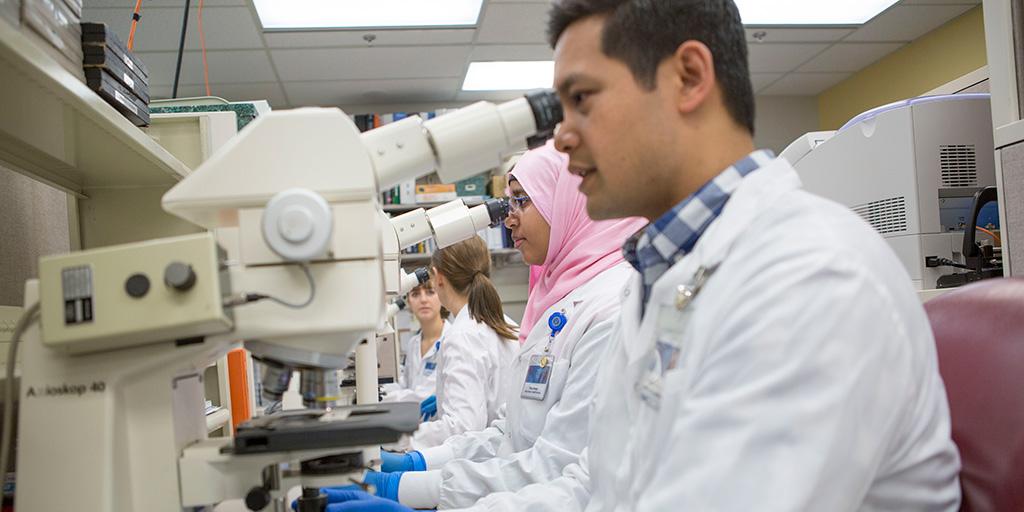
21. Microscopic Examination: Microscopic examination utilizes high-powered microscopes to inspect the shell's surface or cross-section for microstructural features or defects that may not be visible to the naked eye.
22. Impact Testing: Impact testing assesses the shell's resistance to sudden loading or impact. A specimen is subjected to a controlled impact, and the resulting deformation or fractures are analyzed to evaluate the shell's toughness or brittleness.
23. Chemical Resistance Testing: Chemical resistance testing involves exposing the shell material to various chemicals to assess its resistance to corrosion or degradation. This method helps determine the material's compatibility with specific chemical environments.
24. Environmental Testing: Environmental testing evaluates the shell's ability to withstand specific environmental conditions, such as temperature fluctuations, humidity, or UV exposure. This method helps assess the shell's performance under different operating conditions.
25. Moisture Content Analysis: Moisture content analysis determines the amount of moisture present within the shell material. This method helps identify potential sources of corrosion or degradation due to water ingress.
26. Electrical Conductivity Testing: Electrical conductivity testing measures the ability of the shell material to conduct electricity. It helps identify variations in electrical properties that may indicate changes in the material's composition or integrity.
27. Acid Etching: Acid etching is a technique used to reveal grain boundaries or microstructural features in the shell material. It involves applying an acid solution that selectively dissolves the material and leaves behind visible etch patterns.
28. Optical Microscopy: Optical microscopy uses visible light and magnification to examine the surface or cross-section of the shell for defects, cracks, or other abnormalities. This method provides detailed information about the structure and integrity of the material.
29. Scanning Electron Microscopy (SEM): SEM is a high-resolution microscopy technique that uses electron beams to create detailed images of the shell's surface or microstructure. It can provide valuable information about fracture surfaces or various material properties.
30. Energy Dispersive X-ray Spectroscopy (EDS): EDS is an analytical technique used in conjunction with SEM to determine the elemental composition of different areas on the shell's surface. It helps identify the presence of impurities or changes in the material composition.
31. Radiography: Radiography involves using X-rays or gamma rays to examine the internal structure of the shell. This method helps detect internal defects, such as voids, inclusions, or cracking.
32. Ultrasonic Thickness Measurement: Ultrasonic thickness measurement uses ultrasonic waves to determine the thickness of the shell material. It can detect thickness variations that may indicate corrosion, erosion, or material loss.
33. Phased Array Ultrasonics: Phased array ultrasonics is an advanced ultrasonic testing technique that utilizes multiple ultrasonic beams to create detailed images of the shell's internal structure. It provides enhanced defect detection capabilities.
34. Thermography: Thermography utilizes infrared cameras to detect variations in temperature on the shell's surface. It can help identify areas of heat loss, insulation problems, or potential defects within the structure.
35. Strain Gauges: Strain gauges are sensors that measure strain or deformation in the shell material when subjected to stress. They are useful for evaluating structural integrity and identifying areas of high stress concentration.
36. Metallography: Metallography is a technique that involves preparing and examining cross-sections of the shell material under a microscope. It provides information about the material's microstructure, grain size, and any defects or anomalies.
37. Carbon Fiber Reinforced Polymer (CFRP) Inspection: This method specifically targets CFRP shells and utilizes various non-destructive testing techniques to assess the integrity of the composite structure and identify any delaminations, voids, or surface anomalies.
38. Remote Visual Inspection (RVI): RVI involves using remote visual inspection equipment, such as borescopes or robotic cameras, to access and inspect areas of the shell that are difficult to reach. It helps identify potential defects or damages in inaccessible areas.
39. Leakage Current Testing: Leakage current testing is used to detect electrical leakages or insulation breakdowns in shells that are electrically conductive. It involves measuring the current flowing between the shell surface and a reference electrode.
40. Liquid Penetrant Testing: Liquid penetrant testing is a surface inspection method that uses liquid penetrant materials to identify surface-breaking defects on the shell. The penetrant is applied to the surface, and after a certain period, excess penetrant is removed. A developer is then applied to draw out any penetrant trapped in defects.
41. Electromagnetic Testing: Electromagnetic testing utilizes electromagnetic principles to detect discontinuities or changes in the electromagnetic properties of the shell material. It includes techniques such as eddy current, alternating current field measurement (ACFM), or remote-field testing (RFT).
42. GPR (Ground Penetrating Radar): GPR is a geophysical method that uses radar pulses to image the subsurface of the shell. It can help identify buried objects, voids, or changes in material composition below the surface.
43. Metal Magnetic Memory Testing: Metal magnetic memory testing is a specialized method that detects stress concentration zones and ferromagnetic material degradation by analyzing changes in the magnetic field on the shell's surface.
44. Laser Shearography: Laser shearography is an optical non-destructive testing method that measures surface deformation caused by internal defects or stresses in the shell. It is particularly useful for detecting delaminations or voids in composite shells.
45. Digital Radiography: Digital radiography uses digital imaging sensors to capture X-ray images of the shell. It offers fast and efficient defect detection and allows for easy storage and analysis of the radiographic images.
46. Leica 3D Laser Scanning: Leica 3D laser scanning uses laser beams to capture the shape and surface characteristics of the shell in a three-dimensional model. It provides accurate and detailed information about the shell's geometry and any deviations or defects present.
47. TOFD (Time-of-Flight Diffraction): TOFD is an ultrasonic testing technique that measures diffracted waves from defects, such as cracks or lack of fusion in the shell. It provides accurate defect sizing and characterization.
48. Corrosion Under Insulation (CUI) Inspection: CUI inspection is specifically focused on detecting corrosion that occurs underneath insulation on the shell's surface. It uses various techniques such as infrared thermography or insulation removal for visual inspection.
49. White Light Interferometry: White light interferometry uses an interferometer to measure surface topography and roughness of the shell. It helps identify surface anomalies or irregularities that may affect the shell's performance.
50. Thermal Conductivity Testing: Thermal conductivity testing measures the ability of the shell material to conduct heat. It helps determine the thermal properties of the material and identify any variations or anomalies.