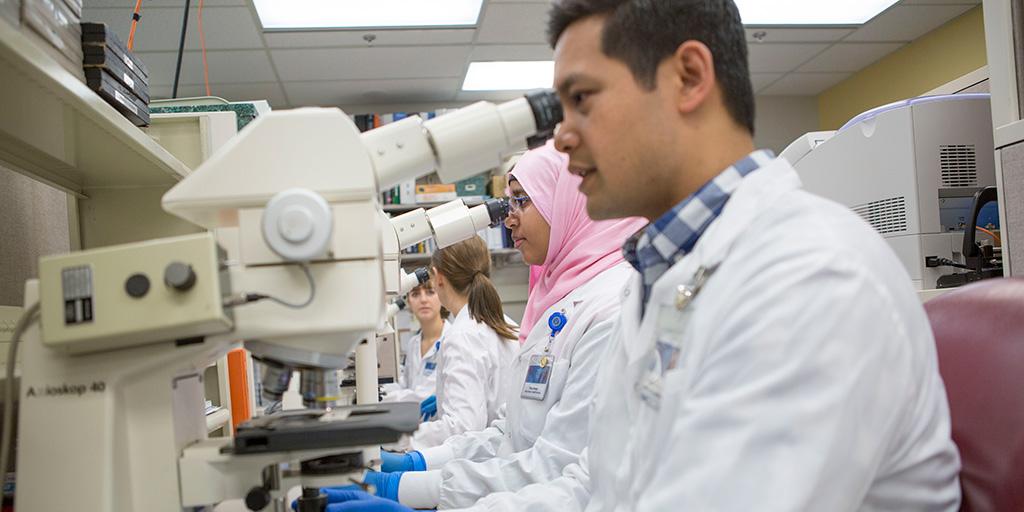
本文主要介绍了关于其他食品的相关检测仪器,检测仪器仅供参考,如果您想了解自己的样品需要哪些检测仪器,可以咨询我们在线工程师为您服务。
1. Gas Chromatograph (GC): Gas Chromatograph is a commonly used instrument to separate and analyze compounds in various samples. It is widely applied in food analysis for detecting food additives, pesticides, and flavor compounds.
2. High Performance Liquid Chromatography (HPLC): HPLC is an analytical technique used to separate, identify, and quantify components in food samples. It is widely used for analyzing vitamins, amino acids, and other nutrients in food products.
3. Mass Spectrometer (MS): Mass Spectrometer is a versatile instrument used to identify unknown compounds in food samples by measuring the mass-to-charge ratio of ions. It is commonly used for food safety testing and quality control.
4. Fourier Transform Infrared Spectroscopy (FTIR): FTIR is a technique that provides information about the chemical composition of food samples by analyzing their infrared absorption. It is used for detecting contamination, spoilage, and adulteration in food products.
5. Inductively Coupled Plasma Mass Spectrometry (ICP-MS): ICP-MS is a sensitive technique used to detect and quantify trace elements in food samples. It is commonly used for analyzing heavy metals and toxic elements in food products.
6. Ultraviolet-Visible Spectrophotometer (UV-Vis): UV-Vis Spectrophotometer is a versatile instrument used for quantitative analysis of organic compounds, vitamins, and pigments in food samples. It is widely used for assessing the quality and safety of food products.
7. Nuclear Magnetic Resonance Spectroscopy (NMR): NMR is a powerful technique used for structural analysis and identification of compounds in food samples. It is commonly used for determining the authenticity and origin of food products.
8. Enzyme-Linked Immunosorbent Assay (ELISA): ELISA is a sensitive technique used for detecting and quantifying specific proteins, allergens, and toxins in food samples. It is widely used for allergen testing and food safety analysis.
9. Polymerase Chain Reaction (PCR): PCR is a molecular technique used for detecting and identifying DNA sequences in food samples. It is commonly used for detecting foodborne pathogens and genetically modified organisms (GMOs) in food products.
10. Atomic Absorption Spectrophotometer (AAS): AAS is a technique used to measure the concentration of trace metals in food samples. It is widely used for analyzing heavy metals and essential nutrients in food products.