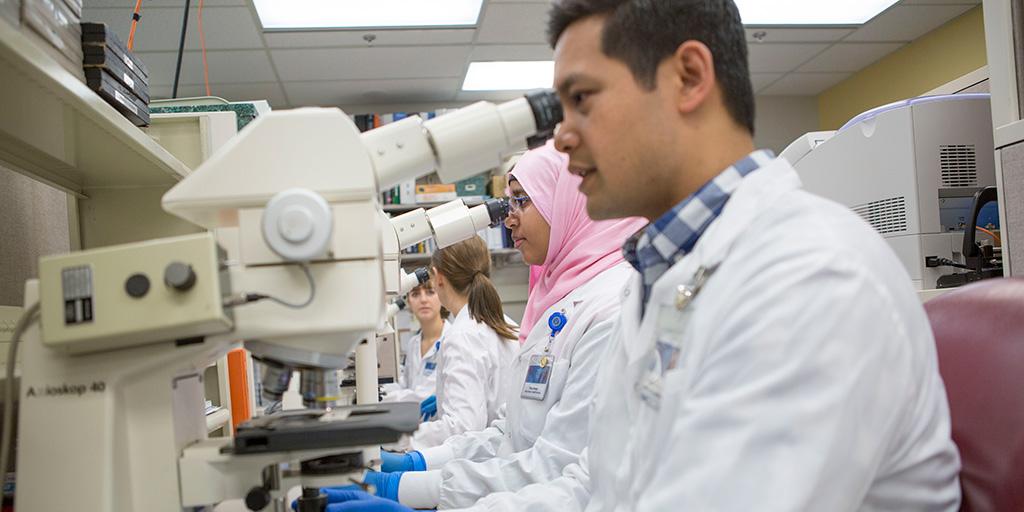
本文主要介绍了关于污泥、土壤参数的相关检测仪器,检测仪器仅供参考,如果您想了解自己的样品需要哪些检测仪器,可以咨询我们在线工程师为您服务。
1. Sludge Drying Bed: Used for dewatering and drying sludge. Sludge is spread on a bed and allowed to dry naturally, leaving behind solids that can be disposed of easily.
2. Soil Moisture Meter: Measures the moisture content in soil, helping determine the optimal irrigation or watering schedule for plants.
3. Soil pH Meter: Measures the acidity or alkalinity of soil, providing valuable information for proper plant growth and nutrient availability.
4. Soil Thermometer: Measures the temperature of soil, which affects various biological, chemical, and physical processes related to plant growth.
5. Soil Sampler: Used to collect soil samples for analysis, providing information on nutrient content, pH, organic matter, and texture.
6. Soil Fertility Tester: Determines the nutrient levels in soil, helping to determine appropriate fertilizer applications for optimal plant growth.
7. Soil Texture Analyzer: Analyzes the proportion of sand, silt, and clay particles in the soil, providing valuable information for soil classification and management.
8. Soil Erosion Sensor: Monitors the rate of erosion in soil, helping to assess the effects of different land management practices on soil conservation.
9. Soil Compaction Meter: Measures the density and compaction of soil, aiding in determining the soil's ability to support plant growth and water infiltration.
10. Soil Organic Matter Analyzer: Measures the amount of organic matter in soil, indicating its fertility, water-holding capacity, and ability to retain nutrients.
11. Soil Nutrient Analyzer: Determines the levels of essential nutrients in soil, such as nitrogen, phosphorus, and potassium, helping to develop appropriate fertilizer recommendations.
12. Soil Microbial Activity Tester: Assesses the activity and diversity of microorganisms in soil, providing insight into soil health and nutrient cycling processes.
13. Soil Salinity Meter: Measures the salt concentration in soil, helping to manage irrigation practices and prevent salt buildup that can affect plant growth.
14. Soil Carbon Analyzer: Determines the carbon content in soil, influencing its fertility, organic matter content, and greenhouse gas emissions.
15. Soil Nematode Extraction Kit: Enables the extraction and quantification of nematodes in soil, aiding in the assessment of soil health and potential crop damage.
16. Soil Heavy Metal Analyzer: Detects the presence and concentration of heavy metals in soil, assessing the potential risk of contamination to plants and the environment.
17. Soil Water Potential Meter: Measures the ability of soil to retain water and the energy required for plant roots to extract water from it.
18. Soil Permeability Tester: Determines the rate at which water infiltrates and permeates through soil, aiding in drainage and irrigation system design.
19. Soil Nitrate Tester: Measures the concentration of nitrate ions in soil, indicating the availability of nitrogen for plant uptake.
20. Soil Aggregate Stability Analyzer: Evaluates the stability of soil aggregates, providing insights into erosion susceptibility, water infiltration, and nutrient availability.
21. Soil Electrical Conductivity Tester: Measures the electrical conductivity of soil, indicating its salinity levels and potential impact on vegetation growth.
22. Soil Microbial Biomass Analyzer: Quantifies the microbial biomass in soil, assessing its activity and contribution to nutrient cycling and soil health.
23. Soil Sulfur Tester: Measures the sulfur content in soil, vital for proper plant growth and protein synthesis.
24. Soil Phosphorus Tester: Determines the phosphorus content in soil, essential for energy transfer and metabolic processes in plants.
25. Soil Potassium Tester: Measures the potassium content in soil, crucial for water regulation, nutrient uptake, and overall plant growth.
26. Soil Calcium Tester: Determines the calcium content in soil, playing a role in cell division, nutrient uptake, and soil structure.
27. Soil Magnesium Tester: Measures the magnesium content in soil, essential for chlorophyll production, enzyme activation, and nutrient uptake.
28. Soil Boron Tester: Determines the boron content in soil, important for cell wall formation, water transport, and flower and fruit development.
29. Soil Zinc Tester: Measures the zinc content in soil, crucial for enzyme function, hormone regulation, and plant growth.
30. Soil Copper Tester: Determines the copper content in soil, important for various enzymatic reactions, chlorophyll production, and reproductive growth.