本文主要介绍了关于土壤、底泥及固体废弃物的相关检测仪器,检测仪器仅供参考,如果您想了解自己的样品需要哪些检测仪器,可以咨询我们在线工程师为您服务。
1. Soil pH Meter: This instrument is used to measure the pH level of soil, which is important for determining its acidity or alkalinity.
2. Soil Moisture Meter: This device is used to measure the moisture content in soil, helping to determine if it is too dry or too wet for optimal plant growth.
3. Soil Conductivity Meter: This instrument measures the electrical conductivity of soil, providing information about its nutrient content and salinity.
4. Soil Texture Analyzer: This tool helps determine the texture of soil, including its relative proportions of sand, silt, and clay particles.
5. Soil Organic Matter Analyzer: This device is used to measure the amount of organic matter present in soil, which is an important indicator of soil quality and fertility.
6. Heavy Metals Analyzer: This instrument detects and quantifies heavy metal contaminants in soil, such as lead, mercury, and arsenic.
7. Soil Nutrient Analyzer: This device measures the concentration of essential nutrients in soil, including nitrogen, phosphorus, and potassium.
8. Soil Microbial Activity Tester: This tool assesses the microbial activity in soil, providing insights into the soil's biological health and functionality.
9. Soil Respiration Measurement System: This instrument measures the rate of soil respiration, indicating the activity and metabolic processes of soil organisms.
10. Soil Compaction Tester: This device determines the level of soil compaction, which can affect root growth and soil water infiltration.
11. Sediment Sampler: This tool collects samples of sediment or bottom mud from bodies of water for analysis and testing.
12. Leachate Collection System: This device is used to collect leachate, which is the liquid that drains from solid waste, for subsequent analysis.
13. Waste Composition Analyzer: This instrument identifies and quantifies the different components present in solid waste, providing insight into its composition and potential for recycling.
14. Total Organic Carbon Analyzer: This device measures the total amount of organic carbon in solid waste or soil samples, which is a key parameter for assessing its stability and decomposition potential.
15. Incinerator Emission Monitoring System: This instrument monitors the emissions released from waste incineration processes, ensuring compliance with regulatory standards.
16. Landfill Gas Analyzer: This tool measures the concentration of gases, such as methane and carbon dioxide, emitted from landfills, helping to assess their environmental impact.
17. Landfill Leachate Analyzer: This device analyzes the leachate collected from landfills, assessing its chemical composition and potential for contamination.
18. Heavy Metals Analyzer: This instrument detects and quantifies heavy metal contaminants in solid waste, such as mercury, lead, and cadmium.
19. Soxhlet Extractor: This apparatus is used for extracting organic compounds from solid samples, such as soil or waste, using a solvent-based technique.
20. Volatile Organic Compounds (VOCs) Analyzer: This instrument measures the concentrations of volatile organic compounds emitted from solid waste or soil samples, assessing their potential environmental impact.
21. Mercury Analyzer: This device measures the concentration of mercury in solid waste or soil, which is important due to the toxicity and environmental concerns associated with this heavy metal.
22. X-ray Fluorescence (XRF) Spectrometer: This instrument analyzes the elemental composition of solid samples, providing information about the presence of various elements, including heavy metals.
23. Infrared Spectrophotometer: This device analyzes the infrared absorption or emission of solid samples, allowing for identification of specific compounds or functional groups.
24. Gas Chromatograph-Mass Spectrometer (GC-MS): This analytical tool combines gas chromatography with mass spectrometry to separate, identify, and quantify organic and inorganic compounds in solid samples.
25. Atomic Absorption Spectrophotometer (AAS): This instrument measures the concentration of specific elements in solid samples by detecting the absorption of light at characteristic wavelengths.
26. Ultraviolet-Visible (UV-Vis) Spectrophotometer: This device measures the absorption or transmission of ultraviolet or visible light by solid samples, providing information about their chemical composition and properties.
27. Inductively Coupled Plasma-Mass Spectrometer (ICP-MS): This advanced analytical instrument quantifies trace elements and isotopes in solid samples with high sensitivity and precision.
28. Thermal Desorption Gas Chromatograph (TD-GC): This system combines thermal desorption with gas chromatography to analyze volatile and semi-volatile compounds in solid samples, such as soil or waste.
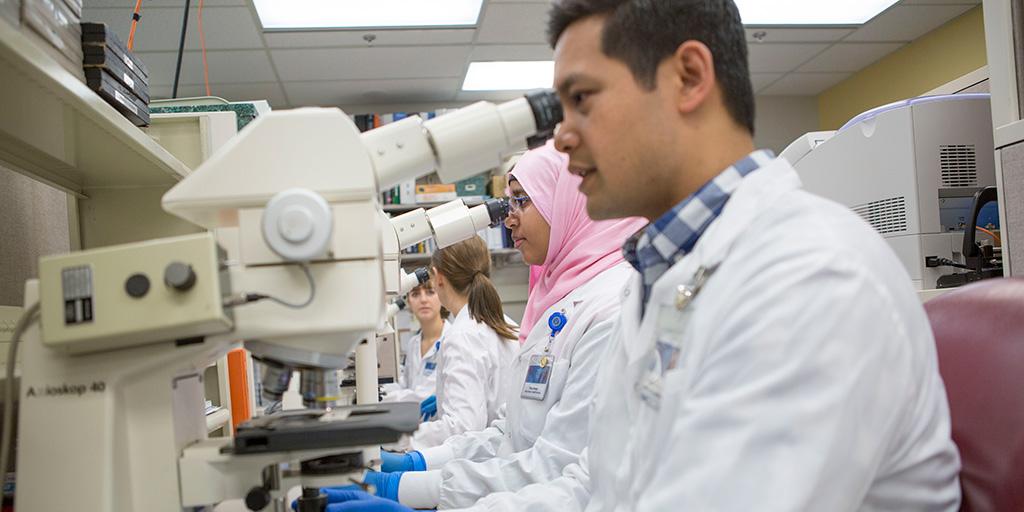
29. Microscopic Imaging System: This device captures high-resolution images of solid samples, allowing for detailed analysis of their morphology, structure, and composition.
30. Particle Size Analyzer: This instrument measures the size distribution of particles in solid samples, providing information about their physical properties and potential environmental effects.