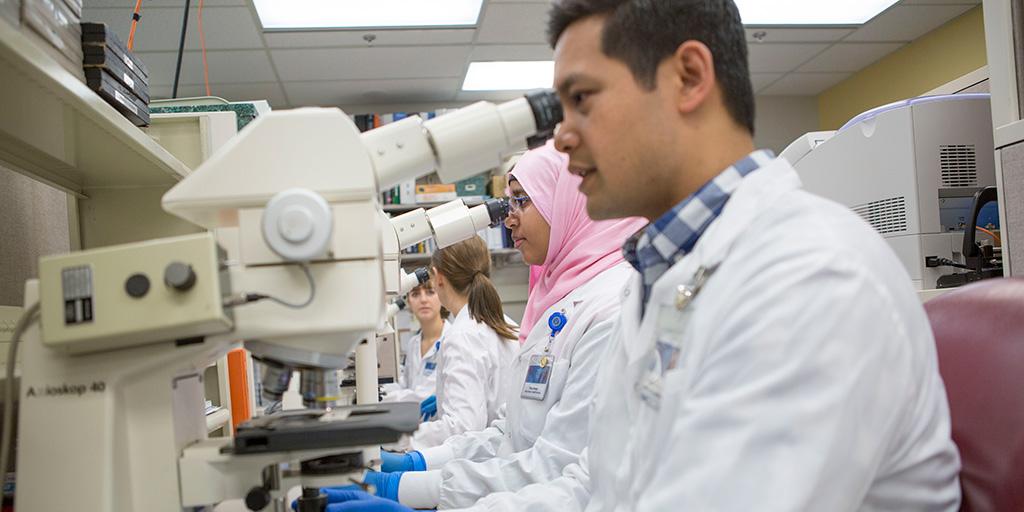
本文主要介绍了关于针织运动服的相关检测仪器,检测仪器仅供参考,如果您想了解自己的样品需要哪些检测仪器,可以咨询我们在线工程师为您服务。
1. XRF Analyzer: XRF Analyzer is a non-destructive testing instrument used for elemental analysis of various materials. It uses X-ray fluorescence technology to determine the composition of substances.
2. Gas Chromatograph: Gas Chromatograph is a laboratory instrument used for separating and analyzing volatile compounds in a sample. It is commonly used in food safety, environmental monitoring, and forensic analysis.
3. UV-Vis Spectrophotometer: UV-Vis Spectrophotometer is used to measure the absorption and transmission of light by a sample in the ultraviolet and visible regions of the electromagnetic spectrum. It is widely used in chemical analysis and research.
4. HPLC (High-Performance Liquid Chromatography): HPLC is a chromatographic technique used for the separation, identification, and quantification of compounds in a mixture. It is widely used in pharmaceutical, food, and environmental analysis.
5. FTIR Spectrometer: FTIR Spectrometer measures the absorption, emission, and reflection of infrared light by a sample. It is used for identifying and characterizing organic and inorganic compounds in various industries.
6. Atomic Absorption Spectrophotometer: Atomic Absorption Spectrophotometer is used for quantitative analysis of trace elements in a sample. It works by measuring the absorption of light by atoms in the vapor phase.
7. Mass Spectrometer: Mass Spectrometer is an instrument used for determining the molecular weight and structure of compounds. It separates ions based on their mass-to-charge ratio and provides information on their composition and structure.
8. Polarimeter: Polarimeter is a device used to measure the optical rotation of a substance. It is commonly used in the pharmaceutical industry to determine the purity and identity of chiral compounds.
9. Differential Scanning Calorimeter (DSC): DSC measures the difference in heat flow between a sample and a reference as a function of temperature. It is used to determine the thermal properties of materials.
10. Rheometer: Rheometer measures the flow and deformation properties of complex fluids and soft materials. It is used in industries such as food, cosmetics, and pharmaceuticals.
11. Particle Size Analyzer: Particle Size Analyzer measures the size distribution of particles in a sample. It is commonly used in pharmaceutical, chemical, and environmental analysis.
12. Gas Detector: Gas Detector is a portable instrument used to detect the presence of hazardous gases in the environment. It is widely used in industries such as oil and gas, mining, and firefighting.
13. Infrared Thermometer: Infrared Thermometer measures the temperature of an object by detecting the infrared radiations emitted by it. It is widely used in medical, industrial, and environmental applications.
14. Viscosity Meter: Viscosity Meter measures the viscosity of a liquid or the resistance to flow. It is used in industries such as petroleum, paint, and food processing.
15. Coulometer: Coulometer is an instrument used to measure the quantity of electricity passed through a solution during an electrolysis process. It is commonly used in electrochemical analysis.
16. Tensile Testing Machine: Tensile Testing Machine is used to determine the mechanical properties of materials, such as tensile strength, yield strength, and elongation. It is commonly used in the manufacturing and construction industries.
17. pH Meter: pH Meter measures the acidity or alkalinity of a solution. It is widely used in laboratories and industries such as water treatment and food processing.
18. Melting Point Apparatus: Melting Point Apparatus is used to determine the melting point of a substance. It is commonly used in pharmaceutical and chemical laboratories.
19. Conductivity Meter: Conductivity Meter measures the electrical conductivity of a solution. It is used in various industries, including agriculture, water analysis, and electroplating.
20. Spectrophotometer: Spectrophotometer measures the intensity of light transmitted through a substance at different wavelengths. It is used in analytical chemistry, biochemistry, and molecular biology.
21. Moisture Analyzer: Moisture Analyzer measures the moisture content of a sample. It is commonly used in industries such as food processing, pharmaceuticals, and environmental analysis.
22. Viscometer: Viscometer measures the viscosity of a fluid. It is used in industries such as petroleum, chemical, and cosmetics.
23. Refractometer: Refractometer measures the refractive index of a substance, which is related to its concentration or purity. It is commonly used in the pharmaceutical, food, and beverage industries.
24. Ultrasonic Cleaner: Ultrasonic Cleaner uses high-frequency sound waves to clean and degas surfaces and objects. It is widely used in laboratories, healthcare facilities, and manufacturing industries.
25. Colorimeter: Colorimeter measures the color intensity or concentration of a solution. It is used in industries such as food and beverage, textile, and paint manufacturing.
26. Titrator: Titrator is used to determine the concentration of a substance in a solution by reacting it with a reagent of known concentration. It is commonly used in chemical analysis and quality control.
27. CO2 Analyzer: CO2 Analyzer measures the carbon dioxide concentration in a gas sample. It is used in environmental monitoring, indoor air quality assessment, and industrial processes.
28. Ultraviolet Lamp: Ultraviolet Lamp emits ultraviolet light, which is used for sterilization, fluorescence analysis, and detection of DNA and proteins in biology and chemistry.
29. Ion Chromatograph: Ion Chromatograph is used to separate and quantify ions in a sample. It is commonly used in environmental analysis, water quality monitoring, and chemical research.
30. Oxygen Analyzer: Oxygen Analyzer measures the oxygen concentration in a gas or liquid. It is used in medical, industrial, and environmental applications.